

- A minimum order of €120.00 is required. Your cart's current subtotal is €0.00. Continue Shopping

The debate between vaping and smoking has intensified as e-cigarettes have gained popularity as potential alternatives to traditional cigarettes. Smoking remains the leading preventable cause of death, responsible for over 480,000 deaths annually in the U.S. alone and more than 7 million deaths globally each year. While many smokers turn to vaping as a cessation tool, with about 54.1% of the UK’s 3.6 million adult e-cigarette users being former smokers, the health implications aren’t straightforward. Vaping vs Smoking: What Science Says About Your Health? Explore the latest research on health risks, addiction, and long-term effects.
Despite claims about vaping being safer, significant concerns exist about its health risks. In fact, by February 2020, almost 3,000 people had been hospitalized, and 68 deaths were attributed to vaping-related lung injuries. Furthermore, more than 2 million U.S. middle and high school students reported using e-cigarettes in 2021, with over 80% using flavored products. Although some studies suggest vaping might help smokers quit, with one showing an 80% decrease in regular cigarette use after 6 months of vaping, most e-cigarettes still contain addictive nicotine and potentially harmful substances like cancer-causing chemicals and heavy metals. In this evidence-based comparison, we’ll examine what science actually tells us about vaping vs smoking and their respective impacts on your health.
Recommended products





Nicotine Delivery and Addiction Potential

Image Source: Evapo
Nicotine serves as the primary addictive component in both traditional cigarettes and e-cigarettes. Yet how it’s delivered to the body differs significantly between these products. Understanding these differences helps explain their respective addiction potentials. Vaping vs smoking in 2025—what science says about health risks, harm reduction, and long-term effects based on the latest research.
Nicotine Absorption: Smoking vs Vaping
The science shows striking differences in how quickly nicotine reaches the bloodstream. When smoking a cigarette, nicotine hits the brain within seconds, whereas vaping delivers it more gradually. Clinical studies demonstrate that the average maximum plasma nicotine concentration (Cmax) is significantly lower with e-cigarettes. Compared to traditional cigarettes (6.1±5.5 ng/ml vs. 20.2±11.1 ng/mL). Additionally, the time to reach peak concentration (Tmax) is more than twice as long with vaping (6.5 minutes compared to 2.7 minutes with smoking).
This absorption gap explains why many smokers initially find e-cigarettes less satisfying. On average, plasma nicotine concentration is 5.4 times higher with cigarettes compared to e-cigarettes. However, newer-generation devices with higher wattage deliver 35-72% more nicotine than first-generation products, indicating the technology is evolving to close this delivery gap.
Addiction Risk: Cigarettes vs E-Cigs
The earlier someone is exposed to nicotine, the greater their addiction risk – particularly concerning since the brain continues developing until age 25. Teens who vape are 3-5 times more likely to start smoking traditional cigarettes than their non-vaping peers.
Interestingly, some research suggests that despite slower nicotine delivery. E-cigarette users may develop stronger dependencies. One study found nicotine dependence levels measured with the Fagerström Test for Nicotine Dependence (FTND). They were over twice as high among e-cigarette users (mean 3.5) compared to traditional tobacco smokers (mean 1.6). Even dual users showed higher dependence levels when using e-cigarettes versus cigarettes.
This counterintuitive finding may relate to how vaping allows for continuous use in places where smoking is prohibited, potentially increasing overall nicotine exposure throughout the day.
Nicotine Concentration: 20mg/ml vs 100mg/ml in Vape Liquids
The nicotine content in vaping products has escalated dramatically. A decade ago, the average vape cartridge contained nicotine equivalent to about 20 cigarettes (one pack). Today, popular vapes can easily contain nicotine equivalent to 600 cigarettes (three cartons).
Most disposable vapes now use “nicotine salts” technology (introduced by Juul in 2015). This reduces throat irritation and enables users to inhale much higher concentrations comfortably. The UK and EU restrict nicotine concentration to 20mg/ml, but U.S. products frequently exceed this limit.
The scientific evidence reveals that a 2ml vape containing 20mg/ml nicotine (totaling 40mg) roughly equals 20-40 cigarettes. However, research suggests even this concentration may be insufficient for cigarette substitution. Some scientists argue that levels around 50mg/ml would better approximate the nicotine delivery profile of tobacco cigarettes.
Recent data shows that total nicotine content in U.S. e-cigarette sales has increased by nearly 250% since 2020, with disposable devices showing a staggering 2,364% increase. This trend makes these products increasingly potent addiction risks, especially for young users.
Chemical Exposure and Toxin Levels Vaping vs Smoking
Beyond nicotine content, the chemical makeup of what users inhale reveals substantial differences between traditional cigarettes and electronic alternatives. Research demonstrates how these products expose users to vastly different toxin profiles.
Carcinogens: Formaldehyde and NNN Levels Compared
The toxin gap between vaping and smoking is considerable. Scientific analyses reveal that e-cigarette vapors contain toxicant levels that are 9 to 450 times lower than those found in traditional cigarette smoke. Cigarette smoke contains approximately 7,000 chemicals when combusted, whereas e-cigarettes generate around 2,000 chemicals, many still unidentified.
Looking at specific carcinogens, formaldehyde appears in both products but at different levels. E-cigarettes typically produce 2.0-56.1 μg of formaldehyde per 150 puffs, whereas cigarettes contain roughly 2-50 μg per unit. Notably, voltage settings significantly impact these levels—high-voltage e-cigarette usage may increase cancer risk to approximately 1 in 200 compared to 1 in 1,000 for traditional cigarettes.
For N-Nitrosonornicotine (NNN), the contrast becomes even starker. E-cigarettes contain just 0.8-4.3 ng of this potent carcinogen per 150 puffs, versus 5-200 nanograms in a single cigarette—making cigarettes deliver on average 380 times more NNN than vaping devices.
Heavy Metals and VOCs: Cigarette Smoke vs Vape Aerosol
Both products release concerning metals and volatile organic compounds (VOCs). E-cigarette aerosols consistently contain cadmium (0.01-0.22 μg), nickel (0.11-0.29 μg), and lead (0.03-0.57 μg) per 150 puffs. Recent research demonstrates that disposable vaping devices may release even higher amounts of these neurotoxins than traditional cigarettes, with one disposable e-cigarette releasing more lead during a day’s use than nearly 20 packs of cigarettes.
Concerning VOCs, e-cigarette vapor typically contains lower levels than cigarette smoke, except for methylating agents. Nevertheless, research indicates that vaping still produces measurable levels of benzene and potentially harmful ultrafine particles that can penetrate deep into the lungs.
Flavoring Agents: Diacetyl and Other Inhalation Risks
Flavor additives introduce unique risks. Diacetyl (C4H6O2), used to create buttery flavors, appears in many e-cigarette products—researchers at Harvard found it in 39 of 51 e-cigarette brands tested. This chemical has been linked to bronchiolitis obliterans (“popcorn lung”), a serious and irreversible lung condition.
Further research indicates that even at low concentrations, diacetyl and similar chemicals like 2,3-pentanedione can impair both the production and function of cilia in human bronchial cells. Consequently, all 12 different hazard quotient values calculated for diacetyl inhalation through e-cigarettes exceeded safety thresholds (range 6.29-297.14), suggesting significant non-carcinogenic risks.
Impact on Respiratory and Lung Health for Vaping vs Smoking
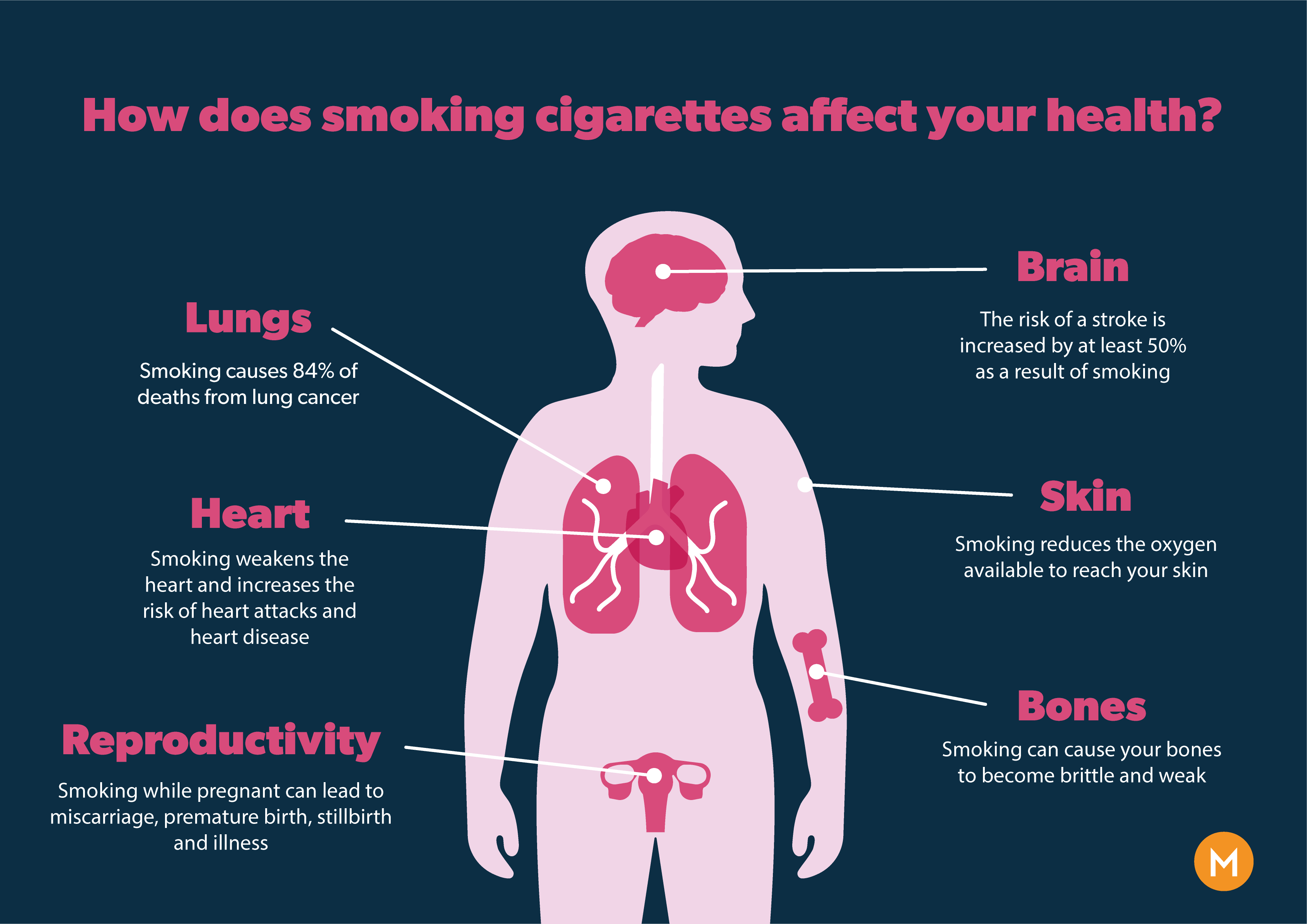
Image Source: E-Liquid
The lungs serve as the primary battlefield where the consequences of both vaping and smoking become measurable and visible through clinical testing. Research reveals distinct patterns of respiratory impact between these habits, ranging from immediate effects to long-term damage.
Airway Resistance: 5-Min Vaping vs Chronic Smoking
Studies demonstrate that merely five minutes of e-cigarette use can trigger measurable changes in lung function. Research shows vaping for this brief period increases total respiratory impedance at 5Hz by 0.033 kPa/(L/s) and boosts overall peripheral airway resistance. These immediate changes suggest that even short-term exposure to e-cigarette vapor causes increased airway resistance and inflammation, which may be reversible with vaping cessation.
In contrast, both active and passive cigarette smoke inhalation for 30-60 minutes produces more significant declines in lung function. Traditional smoking decreases the FEV1/FVC ratio by 7.2% with active smoking and 3.4% with passive smoke exposure. Interestingly, for smokers with preexisting conditions like asthma, vaping appears to worsen airway obstruction more dramatically than in non-asthmatics.
Lung Function Metrics: FEV1 and FVC Decline
Longitudinal studies reveal concerning patterns among e-cigarette users. According to a Johns Hopkins Medicine-led analysis tracking nearly 250,000 people over four years, exclusive e-cigarette use was significantly associated with chronic obstructive pulmonary disease (COPD). This finding challenges the notion that vaping represents a harmless alternative to smoking.
The most comprehensive research to date examined two large observational cohorts (SPIROMICS and COPDGene), including older current and former cigarette smokers. The data showed that e-cigarette use across these cohorts corresponded with greater lung function loss, higher nicotine exposure, and increased risk of exacerbations.
Case Studies: Vaping-Induced Lipoid Pneumonia
Perhaps most alarming are the documented cases of EVALI (e-cigarette or vaping product use-associated lung injury) – a condition never seen with conventional tobacco use. By January 2020, this condition had affected 2,711 people across all 50 states, with 27 confirmed deaths. Vaping vs smoking in 2025—what science says about health risks, harm reduction, and long-term effects based on the latest research.
EVALI often presents as lipoid pneumonia, characterized by lipid-laden macrophages in the lungs and symptoms including chronic cough, shortness of breath, and sometimes blood in sputum. Radiographically, these cases show distinctive patterns of “ground glass” opacities, nodular infiltrates, and interlobular septal thickening.
Most patients improve with corticosteroid treatment and vaping cessation, though the long-term effects remain uncertain.
Cardiovascular Effects and Exercise Tolerance Vaping vs Smoking
Physical performance reveals the truth about cardiovascular health—both vaping and smoking substantially impact the body’s ability to function under stress. Research demonstrates remarkably similar cardiovascular effects from these seemingly different habits.
Heart Rate and Blood Pressure: Acute Effects
Studies consistently show that e-cigarettes and traditional cigarettes both trigger immediate cardiovascular changes. Upon usage, heart rate typically increases by approximately 4 beats per minute in both vapers and smokers, with blood pressure rising from around 122/72 mm Hg to 127/77 mm Hg. Likewise, e-cigarettes containing nicotine raise systolic blood pressure by roughly 6 mm Hg compared to nicotine-free alternatives.
Most compelling evidence comes from controlled studies showing that vaporized nicotine from JUUL devices increases heart rate and mean arterial pressure immediately during use, with blood pressure remaining significantly elevated throughout recovery periods. Moreover, both products activate the body’s sympathetic nervous system in similar patterns, though through possibly different mechanisms. Vaping vs Smoking: What Science Says About Your Health? Explore the latest research on health risks, addiction, and long-term effects.
Vascular Function: Vasodilation Impairment in Both
Flow-mediated dilation (FMD), a critical marker of vascular health, shows concerning reductions in both user groups. E-cigarette users demonstrate FMD values of 5.3±2.3% and cigarette smokers 6.5±2.8%, compared to 10.7±5.2% in non-users. Given that a mere 2% absolute reduction in FMD correlates with a 15% increase in cardiovascular disease risk, these findings warrant serious consideration.
Of course, both habits also increase thrombospondin-1, a thrombosis biomarker, to comparable degrees, suggesting similar mechanisms of vascular damage regardless of nicotine delivery method.
Exercise Capacity: VO2 Max and Arterial Stiffness
First thing to remember about exercise performance: both habits significantly diminish capacity. Peak exercise capacity averages just 186 watts in e-cigarette users and 182 watts in smokers, versus 226 watts in non-users. Accordingly, oxygen consumption at peak exercise falls to 2.7 L/minute in vapers and 2.6 L/minute in smokers, compared to 3 L/minute in non-users. Vaping vs smoking in 2025—what science says about health risks, harm reduction, and long-term effects based on the latest research.
Equally concerning, e-cigarette users reach only 89±6% of their age-predicted maximal heart rate during exercise tests, versus 92±5% in non-users, signaling potential chronotropic incompetence—a predictor of coronary heart disease and mortality.
Muscle Function and Physical Performance

Image Source: The Physiological Society – Wiley
Skeletal muscles tell a revealing story about the hidden damage from inhaled substances. Research demonstrates that both smokers and vapers experience substantial declines in muscle performance beyond the already documented cardiovascular effects.
Muscle Fatigue Resistance: Smoking vs Unknown Vaping Impact
Studies reveal remarkably similar deficiencies in muscle endurance among users of both products. Vapers and smokers reach peak exercise outputs of merely 186 watts and 182 watts, respectively, markedly lower than the 226 watts achieved by non-users. Simultaneously, oxygen consumption falls dramatically in both groups—2.7 liters per minute for vapers and 2.6 liters per minute for smokers compared to 3 liters per minute in their non-vaping counterparts.
Perhaps most concerning, vapers and smokers experience premature muscle fatigue with higher lactate levels—a key fatigue marker—even before reaching their maximum exercise capacity. Essentially, their muscles tire faster and work less efficiently. For military personnel, these impacts translate to concrete performance deficits: vape users complete two-mile runs 27 seconds slower than non-users.
Mitochondrial Dysfunction and Protein Breakdown in Smokers
The underlying mechanisms explain these performance gaps. Smokers suffer reduced muscle fatigue resistance due to decreased mitochondrial function. Carbon monoxide and other substances in cigarette smoke directly inhibit cytochrome-c oxidase (Complex IV) in mitochondria, impairing their ability to produce ATP—the muscle’s essential energy source.
Smoking apparently promotes muscle wasting through inflammation-driven processes that increase protein breakdown while decreasing protein synthesis. This destructive combination results in diminished force-generating capacity. Intriguingly, research on vaping’s specific impacts on muscle structure remains virtually nonexistent, representing a critical knowledge gap despite preliminary evidence showing identical performance deficits.
Comparison Table
| Aspect | Vaping | Traditional Smoking |
|---|---|---|
| Nicotine Delivery | ||
| Maximum Plasma Nicotine Concentration | 6.1±5.5 ng/ml | 20.2±11.1 ng/mL |
| Time to Peak Concentration | 6.5 minutes | 2.7 minutes |
| Chemical Exposure | ||
| Total Chemicals Present | ~2,000 chemicals | ~7,000 chemicals |
| Formaldehyde Levels | 2.0-56.1 μg per 150 puffs | 2-50 μg per unit |
| NNN Levels | 0.8-4.3 ng per 150 puffs | 5-200 ng per cigarette |
| Respiratory Effects | ||
| Immediate Airway Impact | Increases respiratory impedance by 0.033 kPa/(L/s) | Decreases FEV1/FVC ratio by 7.2% |
| Unique Lung Conditions | EVALI (e-cigarette or vaping product use-associated lung injury) | Not mentioned |
| Cardiovascular Effects | ||
| Heart Rate Change | +4 beats per minute | +4 beats per minute |
| Flow-mediated Dilation | 5.3±2.3% | 6.5±2.8% |
| Physical Performance | ||
| Peak Exercise Capacity | 186 watts | 182 watts |
| Peak Oxygen Consumption | 2.7 L/minute | 2.6 L/minute |
| Age-predicted Max Heart Rate | 89±6% | Not mentioned |
Conclusion Vaping vs Smoking
Throughout this evidence-based analysis, we’ve examined the scientific reality behind vaping and smoking, revealing significant insights into their respective health impacts. Despite marketing claims positioning e-cigarettes as substantially safer alternatives, science paints a more nuanced picture.
The data clearly shows that traditional cigarettes deliver nicotine faster and at higher concentrations than most vaping devices. Nevertheless, newer e-cigarettes with nicotine salt technology are rapidly closing this gap, particularly in unregulated markets where concentrations can reach alarming levels. Consequently, both products maintain high addiction potential, especially for younger users whose developing brains face heightened vulnerability.
Chemical exposure profiles differ substantially between these products. While cigarettes produce approximately 7,000 chemicals during combustion compared to about 2,000 from e-cigarettes, both contain numerous harmful substances. Though vaping typically generates lower toxicant levels, certain scenarios—particularly high-voltage vaping—can produce formaldehyde concentrations approaching those of traditional cigarettes. Additionally, many e-cigarettes contain concerning levels of diacetyl and heavy metals that exceed safety thresholds.
More Vaping vs Smoking
Respiratory impacts appear in both user groups, albeit through different mechanisms. E-cigarette use triggers measurable airway resistance changes within minutes, while smoking causes more dramatic lung function declines. Alarmingly, vaping has introduced entirely new medical conditions like EVALI (e-cigarette or vaping product use-associated lung injury), which has affected thousands and claimed dozens of lives by early 2020.
Cardiovascular research reveals surprisingly similar effects between both habits. Users experience comparable increases in heart rate and blood pressure, along with significant impairment of vascular function. These findings challenge assertions that vaping represents a heart-healthy alternative to smoking. Vaping vs Smoking: What Science Says About Your Health? Explore the latest research on health risks, addiction, and long-term effects.
Perhaps most telling, physical performance metrics show nearly identical deficits in both groups. Vapers and smokers alike demonstrate reduced exercise capacity, lower oxygen consumption, and premature muscle fatigue compared to non-users. Military personnel who vape complete two-mile runs significantly slower than their non-vaping counterparts, highlighting real-world performance impacts.
After examining the scientific evidence across multiple physiological systems, we must acknowledge that while vaping generally exposes users to fewer toxins than traditional cigarettes, it still causes substantial harm to cardiovascular, respiratory, and muscular systems. Though potentially useful as a smoking cessation tool for established smokers, e-cigarettes present significant health risks, especially for young people who might otherwise never have used nicotine products.
Ultimately, the healthiest choice remains avoiding both habits altogether. However, for current smokers, transitioning to regulated vaping products under medical guidance might serve as a harm reduction strategy—though certainly not a risk-free alternative. The science speaks clearly: both products significantly compromise human health and physical performance.
Key Takeaways for Vaping vs Smoking
The scientific evidence reveals that while vaping and smoking differ in their delivery methods, both pose significant health risks across multiple body systems. Here are the most critical insights from current research:
Vaping delivers fewer toxins but isn’t safe: E-cigarettes contain 9-450 times fewer toxicants than cigarettes, yet still expose users to harmful chemicals, including formaldehyde, heavy metals, and diacetyl, linked to serious lung conditions.
Both habits cause identical cardiovascular damage: Vapers and smokers show nearly identical heart rate increases (+4 bpm), blood pressure elevation, and vascular function impairment, challenging claims that vaping is heart-healthy.
Physical performance suffers equally: Exercise capacity drops to 186 watts in vapers vs 182 watts in smokers (compared to 226 watts in non-users), with both groups experiencing premature muscle fatigue and reduced oxygen consumption.
Addiction potential remains high for both, despite slower nicotine delivery. Some studies show e-cigarette users develop stronger dependencies than smokers, particularly given rising nicotine concentrations in modern devices.
Vaping introduces new health risks: EVALI (vaping-associated lung injury) has hospitalized thousands and caused dozens of deaths—a condition never seen with traditional tobacco use alone. Vaping vs smoking in 2025—what science says about health risks, harm reduction, and long-term effects based on the latest research.
The bottom line: while vaping may serve as a harm reduction tool for current smokers under medical guidance, neither habit represents a safe choice. The healthiest option remains avoiding both products entirely, especially for young people and non-smokers.
FAQs for Vaping vs Smoking
Q1. Is vaping safer than smoking traditional cigarettes? While vaping generally exposes users to fewer toxins than traditional cigarettes, it still poses significant health risks. Both habits cause similar cardiovascular damage, reduce physical performance, and have high addiction potential. Vaping also introduces new health risks like EVALI (vaping-associated lung injury).
Q2. How does nicotine delivery differ between vaping and smoking? Cigarettes deliver nicotine faster and at higher concentrations than most vaping devices. However, newer e-cigarettes with nicotine salt technology are closing this gap. The maximum plasma nicotine concentration is about 6.1 ng/ml for vaping compared to 20.2 ng/ml for smoking. The peak concentration is reached in 6.5 minutes for vaping versus 2.7 minutes for smoking.
Q3. What are the effects of vaping and smoking on exercise performance? Both vaping and smoking significantly reduce exercise capacity. Users of both products show lower peak exercise outputs (around 186 watts for vapers and 182 watts for smokers) compared to non-users (226 watts). They also experience premature muscle fatigue and reduced oxygen consumption during physical activity. Vaping vs smoking in 2025—what science says about health risks, harm reduction, and long-term effects based on the latest research.
Q4. Are there any unique health risks associated with vaping? Yes, vaping has introduced new health concerns. Particularly, EVALI (e-cigarette or vaping product use-associated lung injury). By early 2020, EVALI had affected thousands of people and caused dozens of deaths. This condition is specifically linked to vaping and has not been observed with traditional tobacco use alone.
Q5. How do vaping and smoking affect respiratory health? Both habits negatively impact respiratory health, but through different mechanisms. E-cigarette use can cause measurable airway resistance changes within minutes, while smoking leads to more dramatic lung function declines over time. Vaping has also been associated with conditions like lipoid pneumonia, while smoking is known to cause various respiratory diseases.